
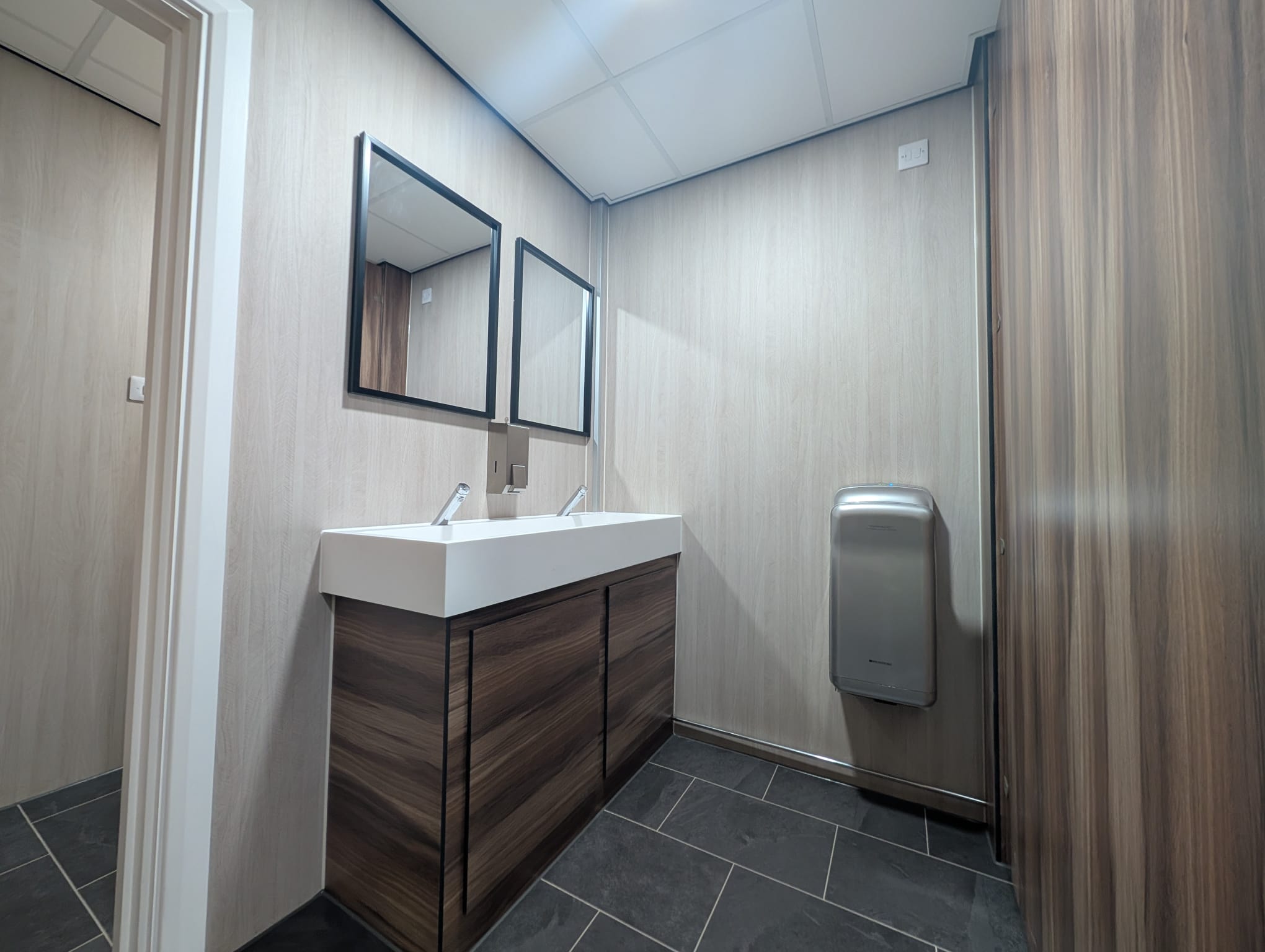
Universities across the United Kingdom are experiencing a fundamental shift in how they approach washroom facility design. With environmental consciousness at an all-time high among students and staff, educational institutions are prioritising sustainable solutions that reduce their carbon footprint while creating modern, functional spaces that meet the demands of contemporary campus life.
The transformation of university washroom facilities reflects broader changes in how educational institutions view their environmental responsibilities. Today’s students arrive on campus with heightened awareness of climate change and sustainability issues, expecting their universities to demonstrate genuine commitment to environmental stewardship through tangible actions, including the design and operation of everyday facilities.
Water Conservation Technologies Leading the Way
Water-saving technologies represent the cornerstone of sustainable university washroom design in 2025. Advanced sensor-operated taps equipped with flow restrictors can reduce water consumption by up to 70% compared to traditional manual taps. These systems eliminate waste from taps left running while providing precise control over water flow duration and volume.
Dual-flush toilet systems have evolved significantly, with modern installations featuring ultra-low-flow mechanisms that use as little as 3 litres for a full flush and 1.5 litres for reduced flush options. Some universities are implementing vacuum-assisted toilets that achieve effective waste removal with minimal water usage, particularly beneficial in high-traffic areas where traditional low-flow systems might struggle.
Greywater recycling systems are gaining traction in new university construction projects and major refurbishments. These systems capture water from handwashing basins and redirect it for toilet flushing after appropriate filtration, creating closed-loop water cycles that dramatically reduce overall consumption.
Sustainable Materials Revolution
The selection of sustainable materials has become a critical consideration in university washroom design. Recycled and recyclable materials are taking precedence, with manufacturers developing innovative solutions that don’t compromise on durability or aesthetics. Recycled glass surfaces, bamboo composite panels, and reclaimed timber elements are becoming standard features in forward-thinking university projects.
Antimicrobial surfaces made from sustainable materials address both hygiene concerns and environmental goals. Copper-infused surfaces, naturally antimicrobial stone composites, and bio-based polymer surfaces provide long-lasting protection against bacteria and viruses while maintaining environmental credentials.
Low-impact flooring solutions include recycled rubber flooring made from reclaimed tyres, cork flooring harvested sustainably, and ceramic tiles manufactured using renewable energy sources. These materials offer excellent durability for high-traffic university environments while supporting circular economy principles.
Energy-Efficient Lighting and Ventilation
LED lighting systems with intelligent controls form the foundation of energy-efficient university washroom design. Motion sensors ensure lights operate only when spaces are occupied, while daylight sensors adjust artificial lighting levels based on available natural light. Some installations incorporate circadian lighting that adjusts colour temperature throughout the day, supporting user wellbeing while optimising energy consumption.
Natural ventilation strategies are being integrated wherever possible, reducing reliance on mechanical systems. Strategic window placement, passive air circulation design, and hybrid ventilation systems that combine natural and mechanical approaches help maintain air quality while minimising energy usage.
Heat recovery ventilation systems capture warmth from outgoing air to pre-heat incoming fresh air, significantly reducing heating costs during colder months. These systems are particularly effective in university environments where washrooms experience consistent usage throughout the day.
Smart Technology Integration
Internet of Things (IoT) sensors are revolutionising washroom management in university settings. These systems monitor usage patterns, supply levels, and maintenance requirements in real-time, enabling proactive management that reduces waste and ensures optimal facility operation. Predictive maintenance algorithms help prevent equipment failures while extending the lifespan of sustainable installations.
Smart dispensing systems for soap, paper towels, and toilet paper use precise sensors to deliver appropriate quantities, eliminating overuse and reducing waste. Some systems incorporate refillable containers and bulk dispensing options that minimise packaging waste.
Occupancy monitoring systems help universities understand usage patterns and optimise cleaning schedules, reducing unnecessary chemical usage and labour costs while maintaining high hygiene standards.
Biophilic Design Elements
The integration of natural elements into washroom design supports both sustainability goals and user wellbeing. Living walls featuring low-maintenance plants improve air quality while creating calming environments that reduce stress for students during busy academic periods.
Natural materials such as stone, wood, and plant-based composites create connections to nature that enhance the user experience. These materials often have lower environmental impacts than synthetic alternatives while providing superior durability in university environments.
Maximising natural light through skylights, clerestory windows, and light tubes reduces artificial lighting requirements while creating more pleasant spaces that support student wellbeing.
Accessibility and Inclusivity
Sustainable design principles extend to creating inclusive spaces that serve all users effectively. Universal design approaches ensure washrooms are accessible to users with varying abilities while incorporating sustainable technologies and materials throughout.
Gender-neutral facilities are becoming more common in university settings, often featuring individual enclosed spaces that provide privacy while optimising space utilisation and reducing construction materials compared to traditional separated facilities.
Flexible design elements allow spaces to adapt to changing needs over time, extending facility lifecycles and reducing the need for frequent renovations that consume additional resources.
Maintenance and Lifecycle Considerations
Sustainable university washroom design prioritises long-term performance and maintainability. Durable materials that withstand heavy usage reduce replacement frequency, while modular design approaches enable targeted upgrades without complete facility reconstruction.
Preventive maintenance programs supported by smart monitoring systems help identify issues before they become major problems, extending equipment lifecycles and maintaining optimal performance of water-saving and energy-efficient systems.
End-of-life planning ensures that materials and fixtures can be recycled or repurposed when eventual replacement becomes necessary, supporting circular economy principles throughout the facility lifecycle.
Implementation Strategies
Successful implementation of sustainable washroom design requires careful planning and stakeholder engagement. Universities benefit from working with experienced educational facility specialists who understand both sustainability requirements and the unique demands of academic environments.
Phased implementation approaches allow universities to upgrade facilities gradually while managing budgets effectively. Pilot projects in selected buildings can demonstrate benefits and refine approaches before campus-wide implementation.
Student engagement in the design process ensures that sustainability initiatives align with user expectations and behaviours, improving adoption rates and long-term success of sustainable features.
The future of university washroom design lies in balancing environmental responsibility with user needs and institutional requirements. By embracing sustainable technologies, materials, and design approaches, universities can create facilities that serve as tangible demonstrations of their commitment to environmental stewardship while providing modern, functional spaces that enhance the campus experience for students, staff, and visitors.
Professional commercial washroom specialists with expertise in sustainable design can help universities navigate the complex landscape of eco-friendly options while ensuring compliance with accessibility requirements and institutional standards. The investment in sustainable washroom design pays dividends through reduced operating costs, enhanced institutional reputation, and alignment with the values of environmentally conscious students who will shape the future.