
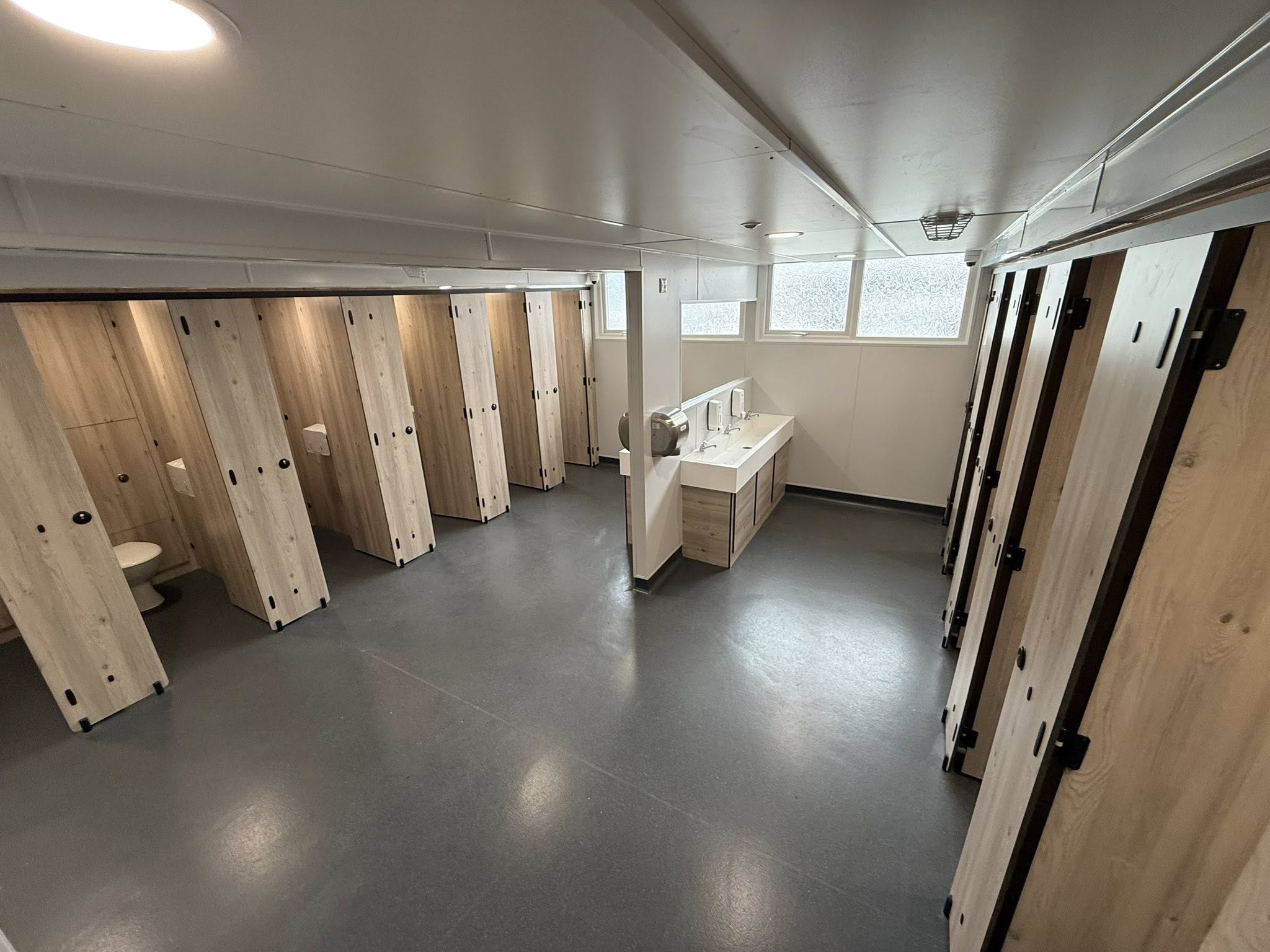
Educational facilities present unique challenges when it comes to washroom design and installation. Unlike standard commercial washrooms, educational sector facilities must cater to diverse age groups, each with distinct physical requirements, safety considerations, and usage patterns. Professional educational washroom specialists understand these nuanced needs and create solutions that promote hygiene, safety, and independence across all educational settings.
Understanding Age-Specific Requirements
The foundation of successful educational washroom design lies in recognising that different age groups require fundamentally different approaches. Early years settings demand child-sized fixtures, enhanced supervision capabilities, and maximum safety features. Primary school facilities need robust, vandal-resistant installations that can withstand heavy daily use while remaining accessible to children developing their independence. Secondary schools require more sophisticated designs that balance durability with aesthetics, whilst university facilities must provide adult-standard amenities with enhanced privacy and modern functionality.
Height considerations form a crucial element of age-appropriate design. Washbasins, soap dispensers, hand dryers, and mirrors must be positioned at appropriate levels for each age group. Specialist installers often incorporate adjustable or multi-level fixtures to accommodate mixed-age usage, particularly in schools with wide age ranges or shared facilities.
Safety and Supervision in Early Years Settings
Early years washrooms require the highest level of safety consideration. Rounded edges on all fixtures eliminate injury risks, whilst non-slip flooring provides secure footing for unsteady young users. Temperature-controlled taps prevent scalding, and specialist washroom designers often incorporate thermostatic mixing valves to ensure consistent, safe water temperatures.
Visibility and supervision capabilities are paramount in nursery and reception class washrooms. Open-plan designs or facilities with vision panels allow staff to maintain appropriate supervision whilst respecting children’s developing sense of privacy. Door configurations often feature half-height options or easy-open mechanisms that enable quick staff access during emergencies.
Hygiene education becomes integral to the design process, with visual cues and child-friendly signage encouraging proper handwashing techniques. Automatic sensors on taps and soap dispensers reduce contamination risks whilst making facilities easier for small children to operate independently.
Primary School Durability and Independence
Primary school washrooms must strike a balance between child-appropriate sizing and robust construction. Specialist educational washroom installers select materials and fixtures specifically designed to withstand the increased wear and potential misuse common in primary settings. Stainless steel and solid surface materials provide longevity whilst remaining easy to clean and maintain.
Encouraging independence becomes a key design objective at primary level. Child-height fixtures promote self-reliance, whilst clear sight lines and intuitive layouts help children navigate facilities confidently. Specialist designers often incorporate colour coding and pictorial signage to support children with varying literacy levels or additional needs.
Vandalism resistance increases in importance at primary level, with specialists selecting fixtures and fittings designed to withstand both accidental damage and deliberate misuse. Concealed pipework, tamper-resistant fittings, and impact-resistant materials form standard elements of professional primary school installations.
Secondary School Sophistication and Privacy
Secondary school washrooms require a more sophisticated approach that acknowledges students’ developing maturity whilst maintaining the durability essential in high-traffic educational environments. Privacy becomes increasingly important, with full-height cubicle doors and improved acoustic separation creating more adult-like facilities.
Aesthetic considerations gain prominence at secondary level, with specialist designers creating environments that students feel comfortable using. Modern finishes, improved lighting, and contemporary fixtures help create positive associations with the facilities whilst maintaining the practical requirements of educational settings.
Technology integration often features in secondary school designs, with sensor-operated fixtures, LED lighting systems, and modern hand-drying solutions creating facilities that feel current and engaging for teenage users.
University and Further Education Facilities
Higher education washrooms must meet adult standards whilst accommodating the intensive usage patterns typical of educational environments. Specialist university washroom designers focus on creating facilities that rival commercial and hospitality standards whilst maintaining the durability required for educational settings.
Accessibility becomes particularly important at university level, with facilities needing to accommodate students with diverse physical requirements. Specialist installers ensure full compliance with disability legislation whilst creating inclusive environments that serve all users effectively.
Sustainability considerations often feature prominently in university projects, with water-saving fixtures, energy-efficient lighting, and environmentally responsible materials reflecting institutional environmental commitments.
Compliance and Safety Standards
Educational washroom specialists maintain comprehensive knowledge of relevant safety standards, building regulations, and educational sector-specific requirements. All installations must comply with current accessibility legislation, health and safety regulations, and local authority guidelines specific to educational premises.
Child protection considerations influence every aspect of educational washroom design, from sight line management to door configurations. Specialist installers working in educational settings typically maintain enhanced DBS clearances and understand the safeguarding implications of their design decisions.
Fire safety, emergency access, and evacuation procedures all influence washroom design in educational settings. Professional specialists ensure that installations support rather than hinder emergency procedures whilst maintaining day-to-day functionality.
Material Selection and Maintenance Considerations
Educational washrooms experience intensive daily use, making material selection crucial for long-term success. Specialist installers select finishes and fixtures specifically designed for educational environments, prioritising durability, hygiene, and ease of maintenance.
Anti-bacterial surfaces, stain-resistant materials, and easy-clean finishes reduce ongoing maintenance requirements whilst supporting hygiene objectives. Specialist educational washroom companies often provide detailed maintenance guidance and ongoing support to ensure facilities remain in optimal condition throughout their operational life.
Replacement part availability and repair accessibility feature in professional material selection processes, ensuring that facilities can be maintained efficiently without extended closure periods that disrupt educational activities.
Creating Inclusive Educational Environments
Modern educational washroom design embraces inclusivity, creating facilities that serve users with diverse needs effectively. Specialist designers incorporate features supporting students with physical disabilities, sensory impairments, and other additional requirements.
Gender-neutral facilities increasingly feature in educational washroom projects, with specialists creating solutions that respect diverse identity requirements whilst maintaining safety and supervision standards appropriate to different age groups.
Cultural sensitivity considerations influence design decisions, with specialist installers understanding how different cultural backgrounds may affect washroom usage patterns and privacy requirements within educational communities.
The Value of Specialist Educational Expertise
Working with dedicated educational washroom specialists ensures that projects benefit from sector-specific knowledge and experience. These professionals understand the unique challenges of educational environments and can navigate the complex requirements that distinguish educational projects from standard commercial installations.
From initial design consultation through to final installation and ongoing support, specialist school washroom providers offer comprehensive solutions tailored to educational sector requirements. Their expertise encompasses not only technical installation skills but also understanding of educational operational patterns, budget constraints, and the importance of minimising disruption to learning activities.
Professional educational washroom specialists also provide valuable guidance on future-proofing installations, helping institutions make informed decisions about specifications that will serve their communities effectively for years to come. This forward-thinking approach, combined with sector-specific expertise, makes specialist educational washroom providers invaluable partners in creating facilities that truly serve their intended users.
The investment in specialist educational washroom design and installation pays dividends through improved user satisfaction, reduced maintenance requirements, and facilities that genuinely support the educational mission of institutions across all age groups. By understanding and addressing the unique requirements of different educational stages, professional washroom refurbishment specialists create environments that promote hygiene, independence, and positive user experiences throughout the educational journey.