
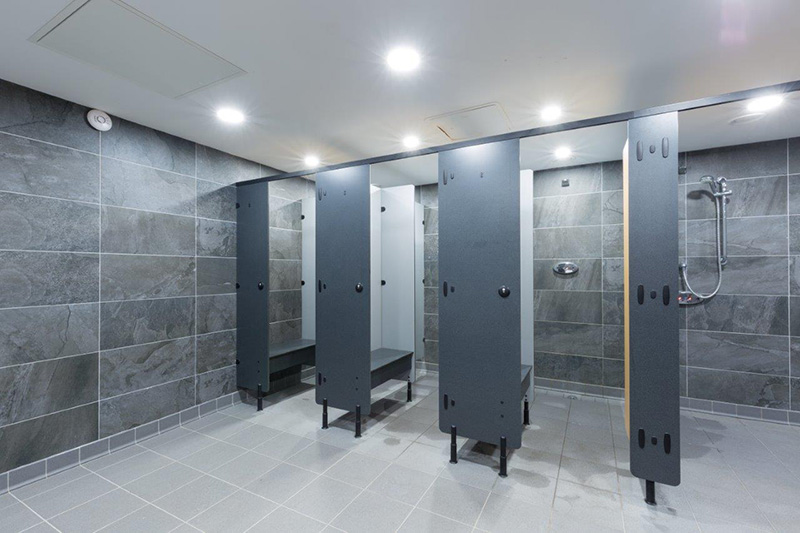
The landscape of commercial property washroom design has undergone a remarkable transformation in recent years. What was once considered a purely functional necessity has evolved into a sophisticated space that reflects corporate values, enhances user experience, and contributes significantly to a building’s overall aesthetic appeal. Modern businesses recognise that well-designed washroom facilities can influence client perceptions, employee satisfaction, and even property valuations.
Biophilic Design Elements
One of the most significant trends reshaping commercial washrooms is the integration of biophilic design principles. This approach incorporates natural elements to create calming, restorative environments that reduce stress and improve wellbeing. Living walls featuring low-maintenance plants, natural stone surfaces, and wood-effect finishes are becoming increasingly popular in corporate settings.
Natural lighting plays a crucial role in biophilic washroom design. Where possible, architects are incorporating skylights or larger windows to maximise daylight penetration. When natural light is limited, LED lighting systems that mimic natural circadian rhythms are being installed to maintain the connection with nature’s patterns.
Water features, such as subtle fountain elements or the sound of gently flowing water, add an auditory dimension to the biophilic experience. These elements mask unwanted sounds while creating a spa-like atmosphere that elevates the user experience far beyond traditional washroom expectations.
Smart Technology Integration
The digital revolution has reached commercial washrooms, with smart technology becoming an essential component of modern design. Touchless fixtures have evolved beyond basic sensor taps to include intelligent systems that learn usage patterns and optimise water flow accordingly. These systems not only improve hygiene but also contribute to sustainability goals through reduced water consumption.
Advanced air quality monitoring systems automatically adjust ventilation based on occupancy levels and air quality metrics. Some facilities now feature digital displays that provide real-time information about air quality, temperature, and even aromatherapy settings, allowing users to customise their environment.
Smart mirrors equipped with integrated displays can provide weather updates, news headlines, or corporate communications, transforming routine visits into opportunities for information sharing. These technologies are particularly popular in executive washrooms and client-facing facilities where creating a memorable impression is paramount.
Sustainable Materials and Practices
Environmental consciousness is driving significant changes in material selection and washroom design practices. Recycled and upcycled materials are gaining prominence, with designers incorporating reclaimed wood, recycled glass surfaces, and sustainable composite materials that offer durability without environmental compromise.
Water conservation remains a priority, with dual-flush systems, greywater recycling, and rainwater harvesting becoming standard features in new commercial developments. Low-flow fixtures that maintain performance while reducing consumption are essential components of sustainable washroom design.
Energy-efficient lighting systems, including motion-activated LED arrays and daylight harvesting technologies, significantly reduce operational costs while supporting corporate sustainability initiatives. These systems often integrate with building management platforms to provide detailed energy usage analytics.
Inclusive and Accessible Design
Modern commercial washrooms prioritise accessibility and inclusivity, going beyond basic compliance requirements to create truly welcoming spaces for all users. Universal design principles ensure that facilities accommodate users with varying physical abilities, ages, and needs without compromising aesthetic appeal.
Gender-neutral facilities are becoming more common, with thoughtful design solutions that provide privacy and comfort for all users. These spaces often feature individual, fully enclosed cubicles with floor-to-ceiling partitions and separate handwashing areas that maintain the social aspects of shared facilities.
Adjustable-height fixtures, clear sight lines, and intuitive wayfinding systems ensure that washrooms are navigable and usable by everyone. Tactile guidance systems and high-contrast design elements support users with visual impairments, while acoustic considerations address the needs of those with hearing sensitivities.
Wellness-Focused Amenities
The growing emphasis on workplace wellness has extended into washroom design, with facilities incorporating amenities that support physical and mental wellbeing. Dedicated spaces for personal care, including well-lit vanity areas with premium mirrors and charging stations for personal devices, acknowledge the multi-functional nature of modern washrooms.
Some commercial properties are introducing wellness pods or quiet zones within larger washroom facilities, providing spaces for brief meditation or personal reflection. These areas feature comfortable seating, calming colour schemes, and acoustic treatments that create peaceful retreats within busy commercial environments.
Air purification systems using advanced filtration technologies and natural ionisation processes ensure optimal air quality, while aromatherapy diffusion systems can create subtle, pleasant scents that enhance the overall sensory experience.
Flexible and Modular Design Solutions
Commercial properties increasingly require washroom facilities that can adapt to changing needs and usage patterns. Modular design approaches allow for easy reconfiguration of spaces, with moveable partitions and flexible fixture arrangements that can accommodate varying occupancy levels or different user requirements.
This flexibility is particularly valuable in mixed-use developments where washroom facilities may serve different user groups throughout the day. Modular systems also facilitate easier maintenance and upgrades, allowing property managers to refresh facilities without complete renovations.
Premium Finishes and Materials
The specification of high-quality finishes and materials reflects the elevated status of modern commercial washrooms. Natural stone surfaces, including marble and granite, create luxurious environments that rival high-end hospitality facilities. These materials are often combined with contemporary elements such as brushed metal fixtures and geometric tile patterns to create sophisticated, timeless designs.
Antimicrobial surfaces and finishes address hygiene concerns while maintaining aesthetic appeal. Advanced ceramic and composite materials offer the appearance of natural materials with enhanced durability and easier maintenance requirements.
Enhanced Privacy and Comfort
Modern commercial washroom design prioritises user privacy and comfort through thoughtful space planning and fixture selection. Floor-to-ceiling partitions, improved acoustic treatments, and strategic lighting design create more private, comfortable environments that encourage longer, more relaxed usage.
Comfort features such as heated floors, temperature-controlled environments, and ergonomic fixtures acknowledge that washrooms are spaces where people spend meaningful time. These enhancements contribute to overall user satisfaction and reflect positively on the property’s management and attention to detail.
The evolution of commercial washroom design reflects broader changes in workplace culture, environmental awareness, and user expectations. Properties that invest in thoughtfully designed, well-equipped washroom facilities demonstrate their commitment to user experience and operational excellence. As these trends continue to develop, commercial washrooms will increasingly serve as showcases for innovation, sustainability, and design excellence.
For property managers and business owners considering washroom upgrades or new installations, partnering with experienced specialists ensures that designs incorporate the latest trends while meeting specific operational requirements. Professional washroom design services can help navigate the complex landscape of modern commercial washroom design, ensuring that facilities not only meet current needs but remain relevant and impressive for years to come.